
I *thought* I’d a written a piece all about the Moto Rumi Formichino before… but all I could find in the Lambrettista archives was this post – basically a paragraph, and period photo, and me saying “I thought I’d written a piece about Moto Rumi’s before…” Deja vu, all over again. Another bullet point for the ever expanding to do list!

I’m assuming my audience is familiar with the Rumi Formichino (if you’re not, there’s a picture above). It’s a lovely little scooter from a company based in Bergamo, Italy that made minature submarines and torpedoes for the Italian navy during WW2. Knowing that, gives some context to the unique design language of the Formichino (Italian for Ant, dontcha know). The Formichino did rather well in various sporting events of the day, and has a loyal following even now.
With that rather long-winded introduction out the way, and the Formichino acknowledged, we can now get to the meat of the post. Moto Rumi had plans for a quite breathtaking scooter, that sadly never made it into production. Ostensibly more a ‘traditionally’ styled scooter, with fully enclosed bodywork, the real innovations of the machine lie beneath those glorious streamlined shapes. But before we get to that, lets just dwell on the bodywork for a minute, shall we? Remember, this was 1960. So we’re talking circa LI Series 2 in Lambretta design terms. So this svelte little Rumi was definitely ‘up there’ in the design stakes.
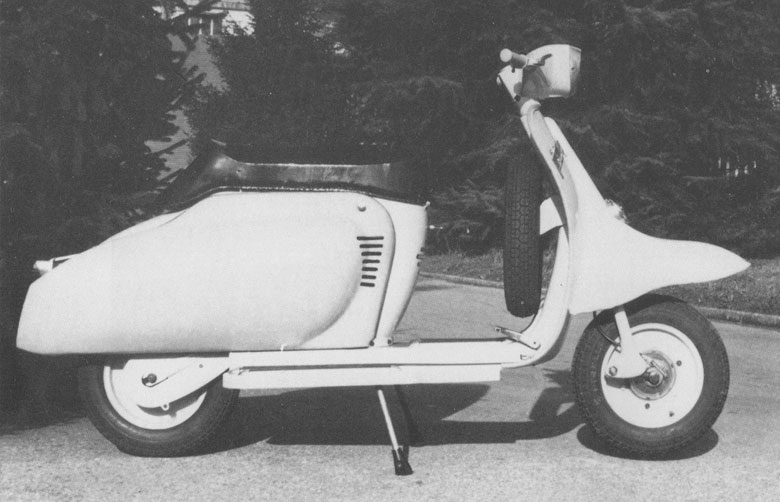
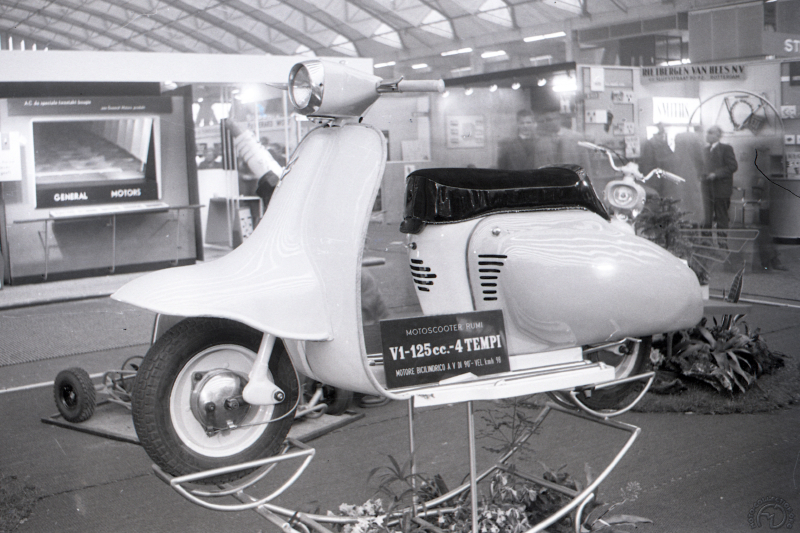
Under the panels there were more innovations…The Rumi having a very neat looking V-Twin, 4-Stroke engine – developed to be also used in the light motorcycles. On a motorcycle of course, you have to worry less about keeping the engine cool, something Rumi addressed by having ample venting cut into the all-steel bodywork, both at the front and the rear… the rear vents of course allowing the hot air to escape.

Those rear vents may have got a bit hot, but they look really cool – as is the line of that seat, smoothly merging into the bodywork of the machine at the back – way ahead of the bench seat of Lambretta’s TV’s – in the design stakes at least.
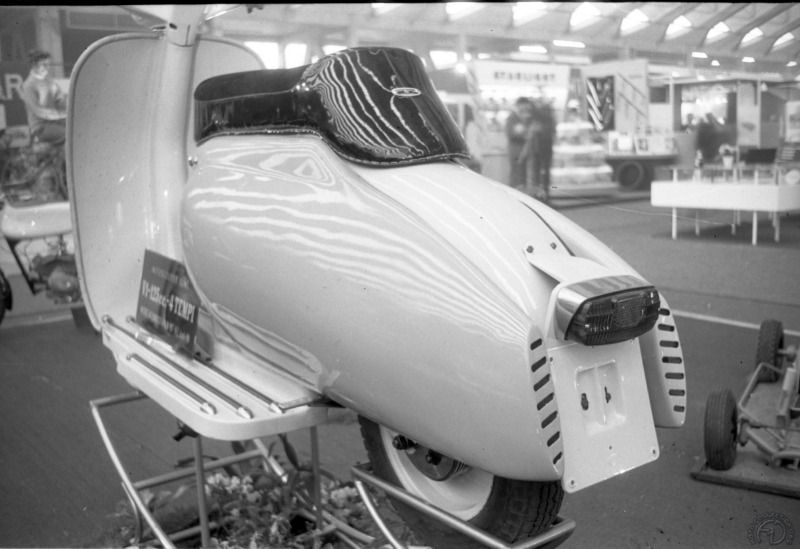
Available in 98, 125, and 175cc variants with hand-shift, four-speed gearboxes, these sleek little scooters would surely have given Lambretta and Vespa a run for their money, if they’d make it into production. Sadly, Moto Rumi went bust before that could happen.
While researching this article, I found out Moto Rumi made another scooter that I was unaware of, the Scoiottolo (or Squirrel), which pre-dates the Formichino. That to do list is getting longer…
Finally, here’s a couple of press pieces from the time. Thanks due once more to regular contributor Darrin Slack, who sent me the pictures and the story of the Moto Rumi’s that never were. The images and press articles are from the Amsterdam Salone of 1961, an important show of the time.


Find out more about Moto Rumi on this site: MotoRumi.IT.



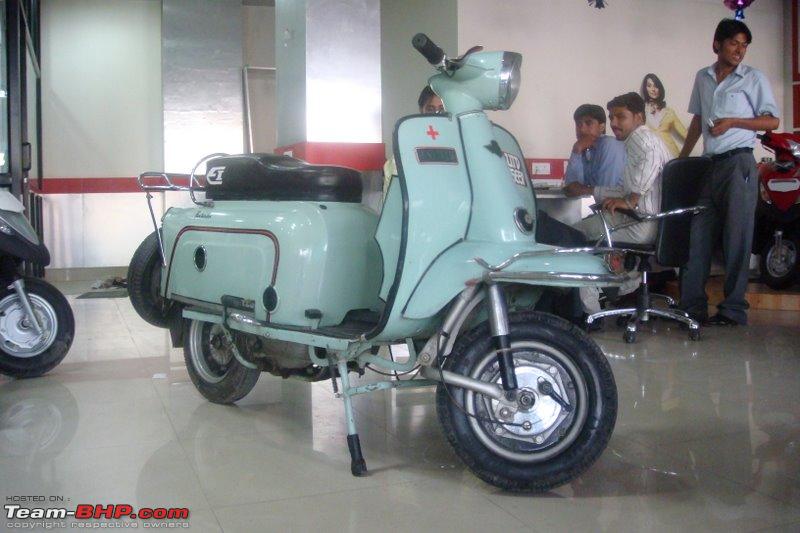

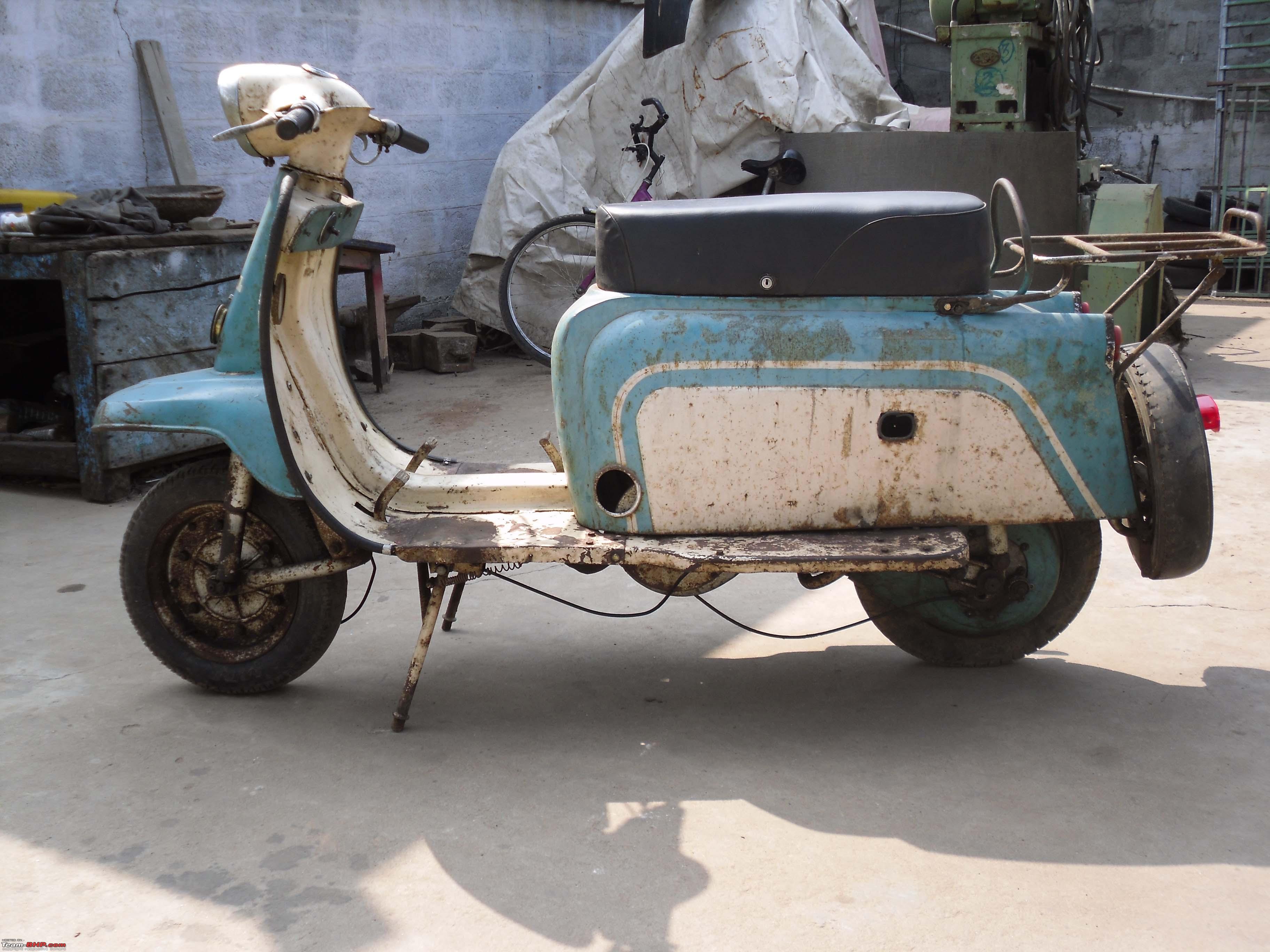


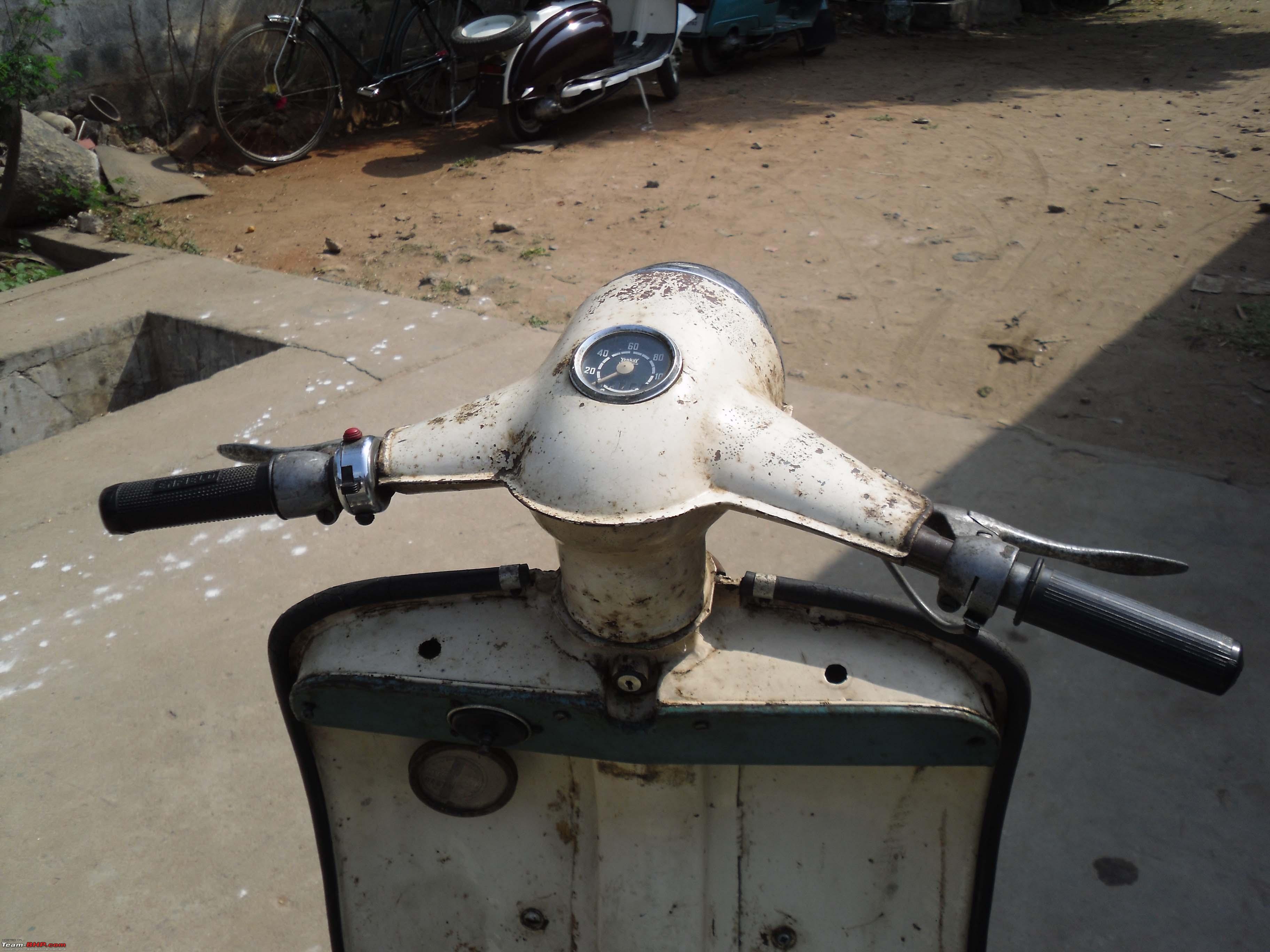
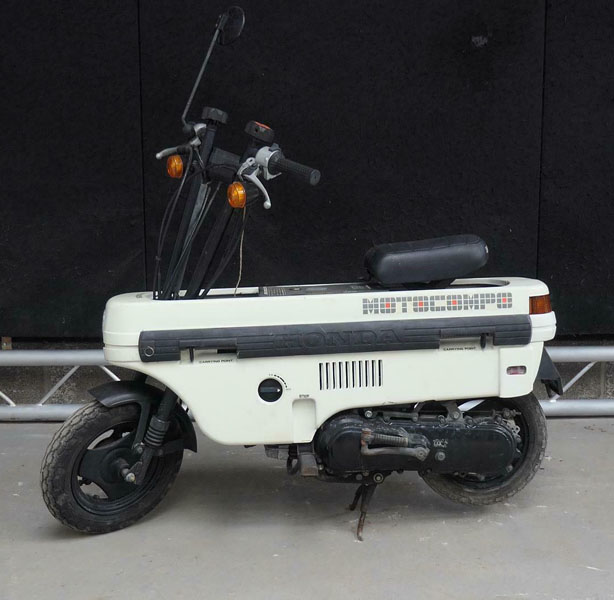

 Spotted this rarity on eBay – a Genuine 1954 Indian Papoose Brockhouse Corgi. Now, I’ll be the first to admit I don’t know anything about these scoots… but there’s a little bit of history below…


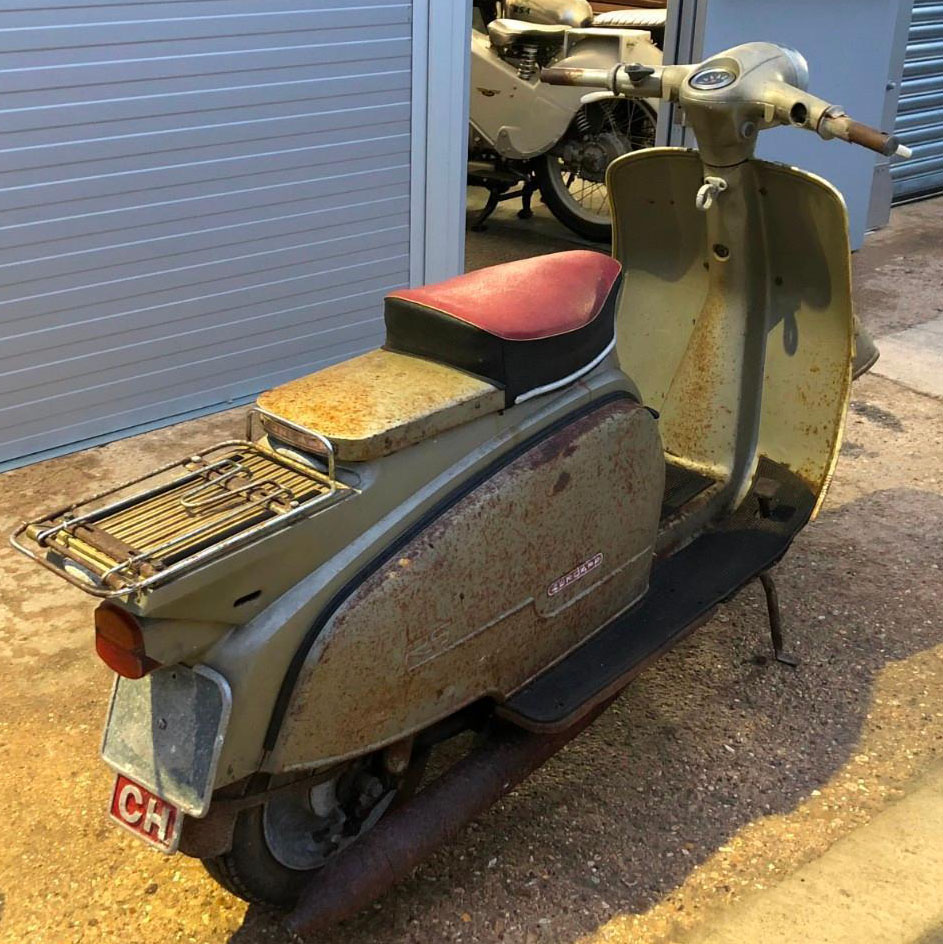
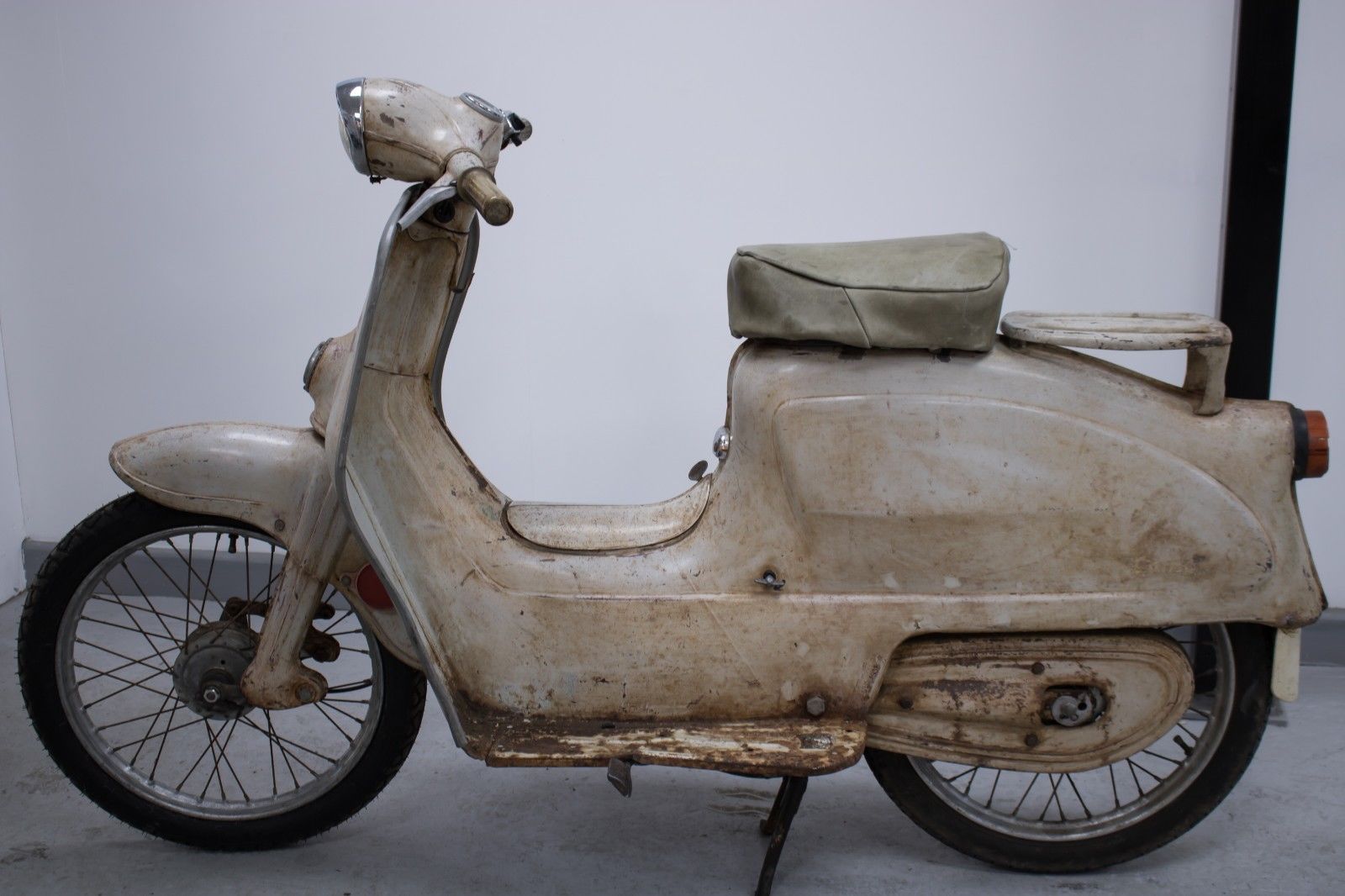
 First off is this BM Pokerino from 1963. BM, or Bonvicini Marini were an Italian motorcycle manufacturer founded in Bologna in 1952. An ‘ace’ looking little scooter, but, I must say my favourite part about is the poker hand badge – so if you’re feeling ‘flush’ (see what I did there) you can get hold of the Pokerino for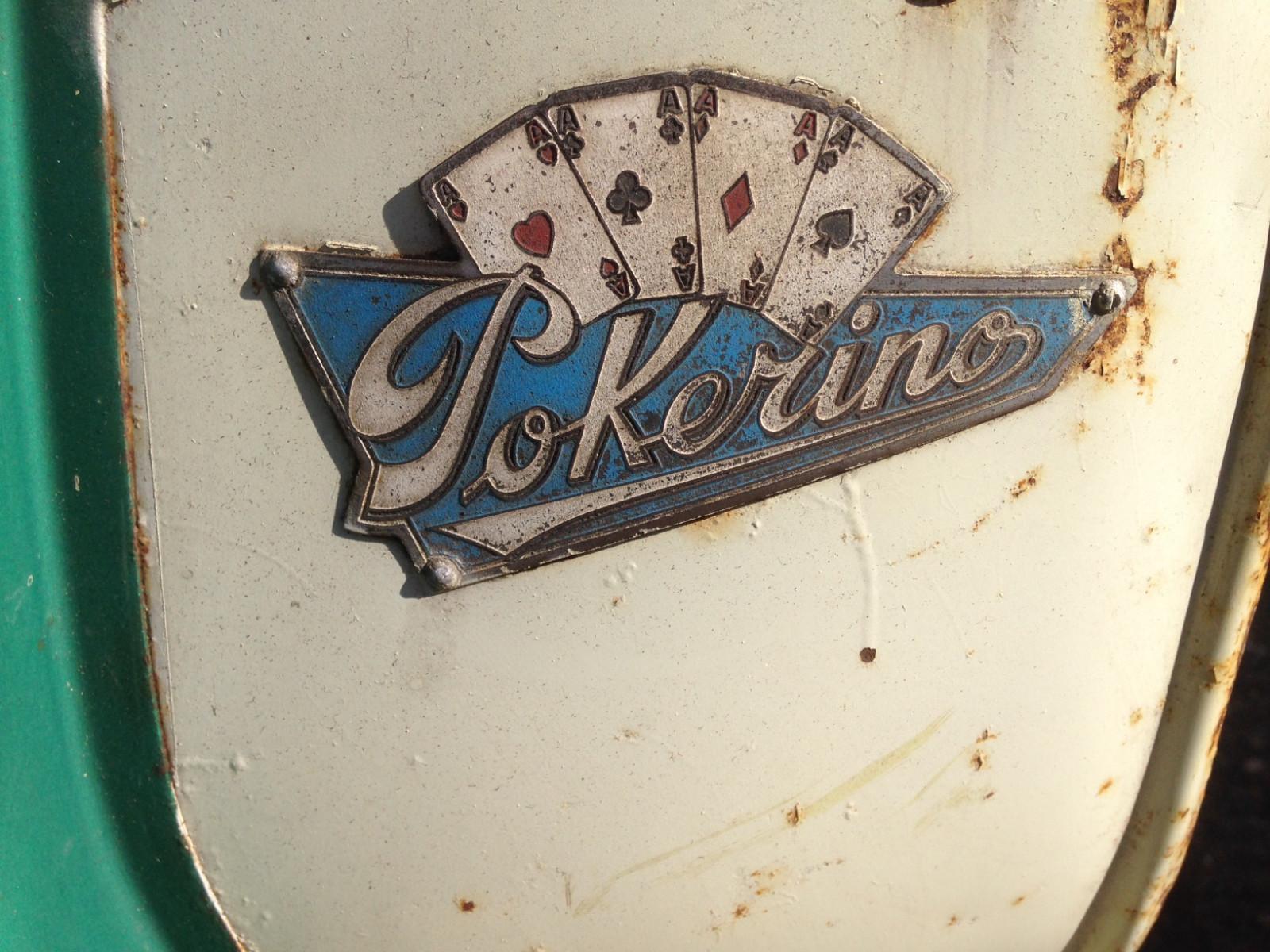



 If you get that scooter, you’ll probably want to grab this book too…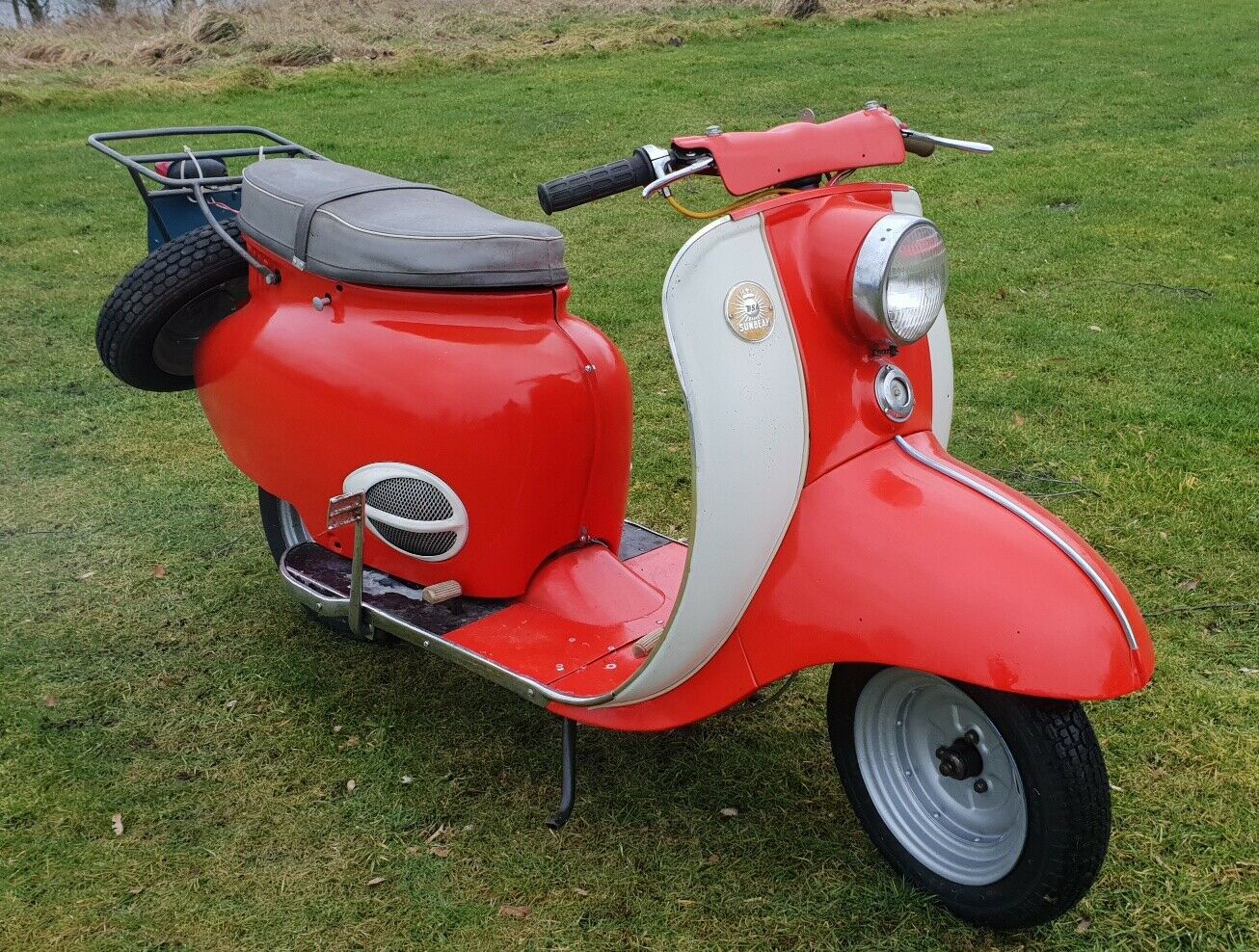


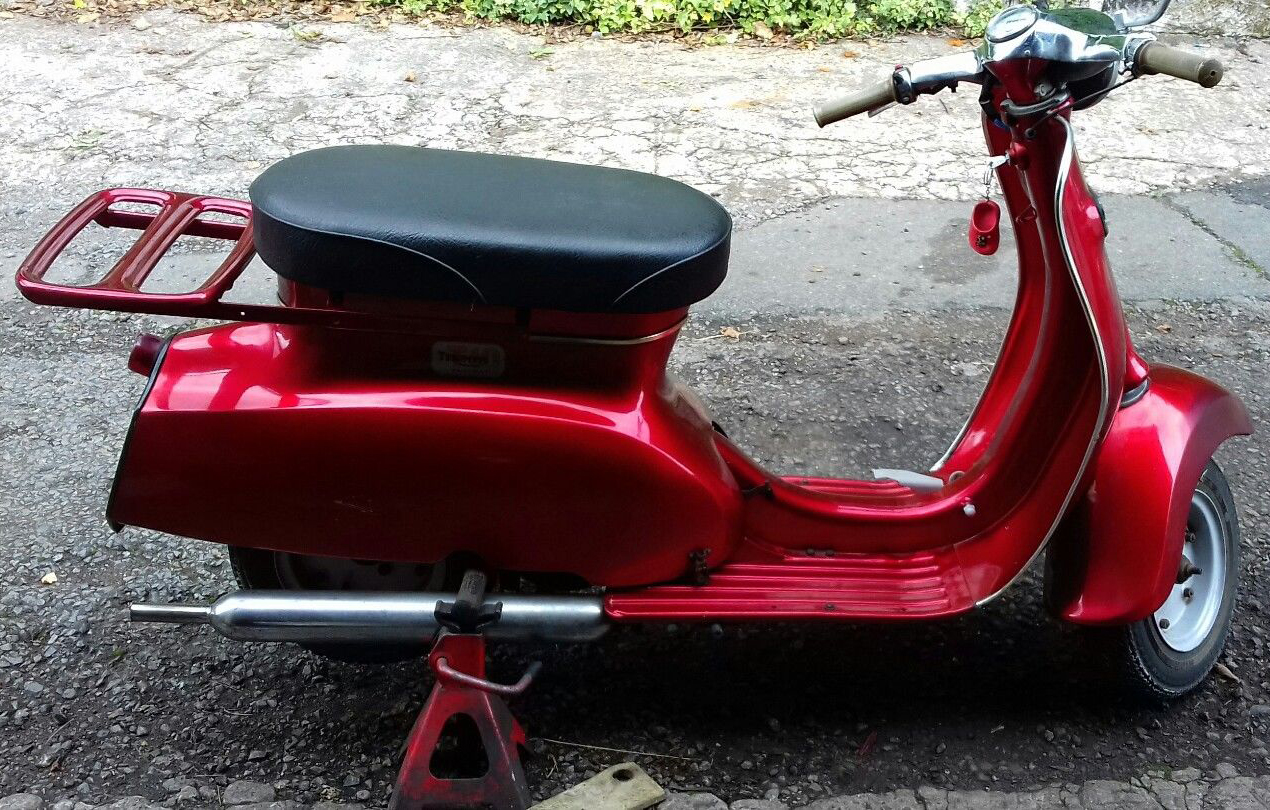 Spotted this pretty little Triumph on eBay. Lovely clean lines for a scooter that doesn’t originate in Italy! Dare I say, it’s prettier than a J? Dare I? Nah, not on here. But’s it’s close. It apparently “drives very nice” and “everything works as it should” (Buyers words, so do your own checks). It’s listed at a pretty reasonable £1,950, but he’s open to offers, as he’s not sure how much it’s worth. I’d say he’s pitched it about right?


 There seems to be differing accounts of it’s genesis… whether it is an ‘official’ machine out of the Innocenti factory (perhaps a prototype, or side project), OR something ‘knocked up’ by a neighbouring factory in Milan. It appears to have been marketed by a manufacturer of marine equipment, based – like Innocenti – in Milan…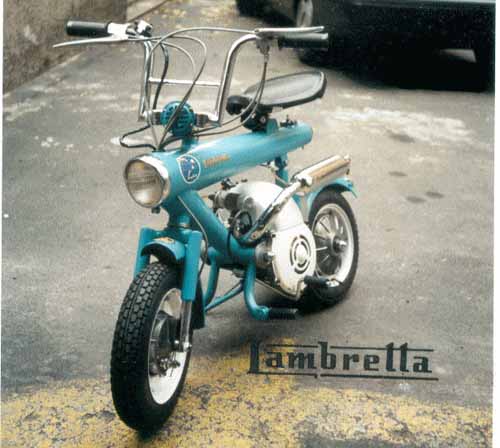


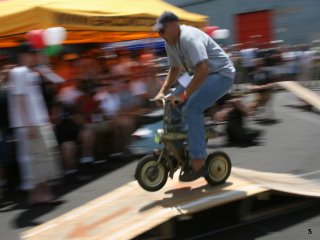
 The Second of the three is (or was) in the US, and appeared at the LCUSA Lambretta Jamboree in 2006 – and the pics show it competing in the gymkana. Aparently, at some point there was quiet a nasty accident in which the rider broke his collar bone, but the bike survived.




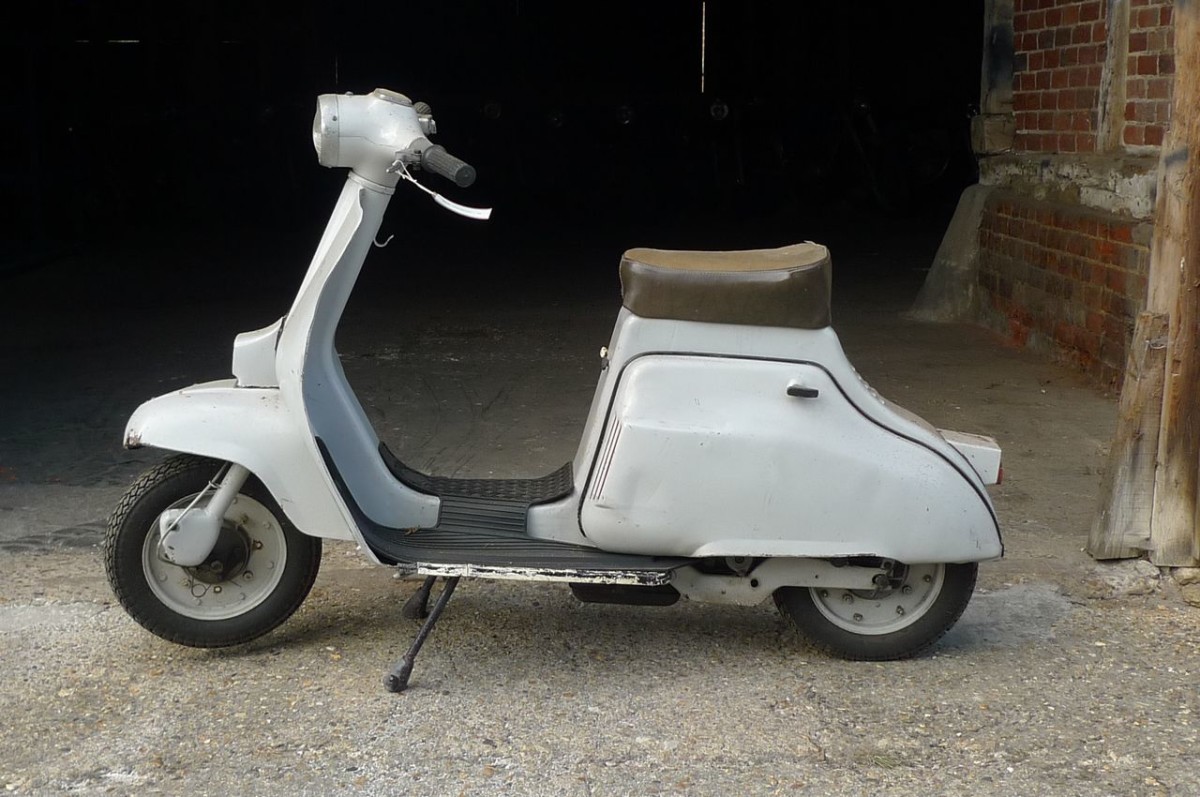

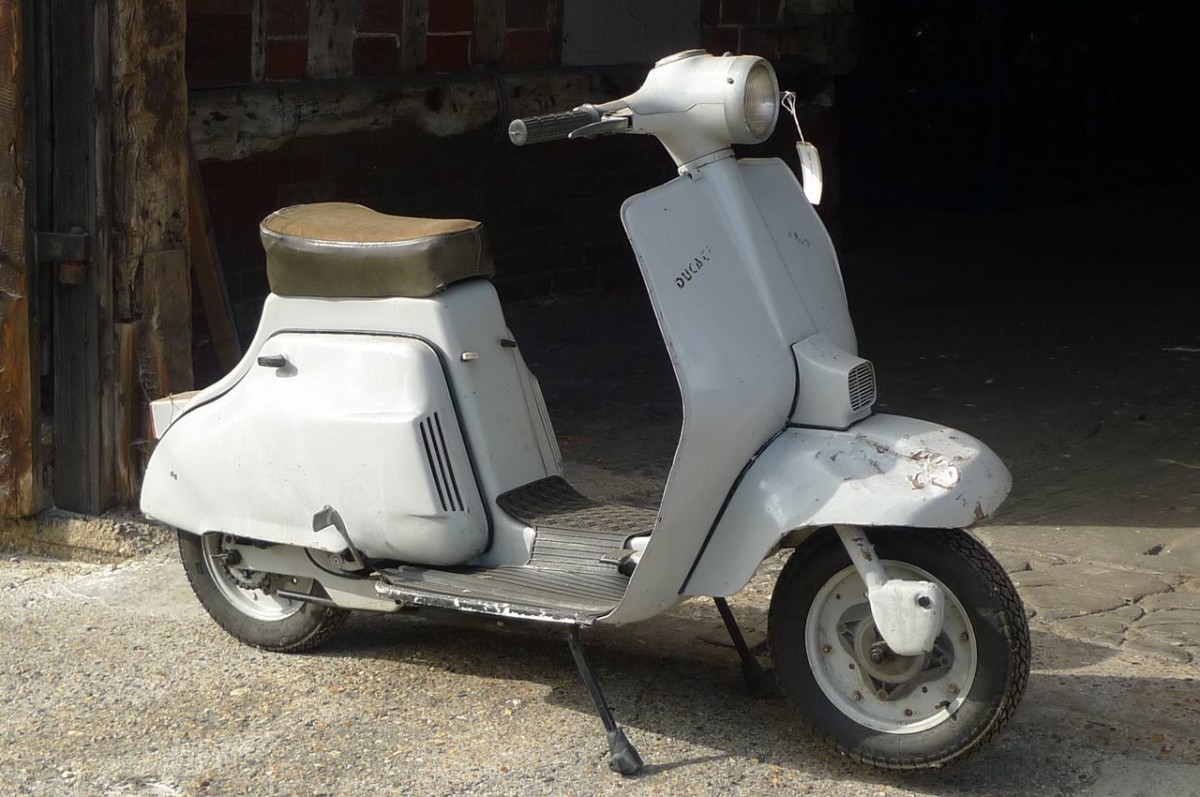


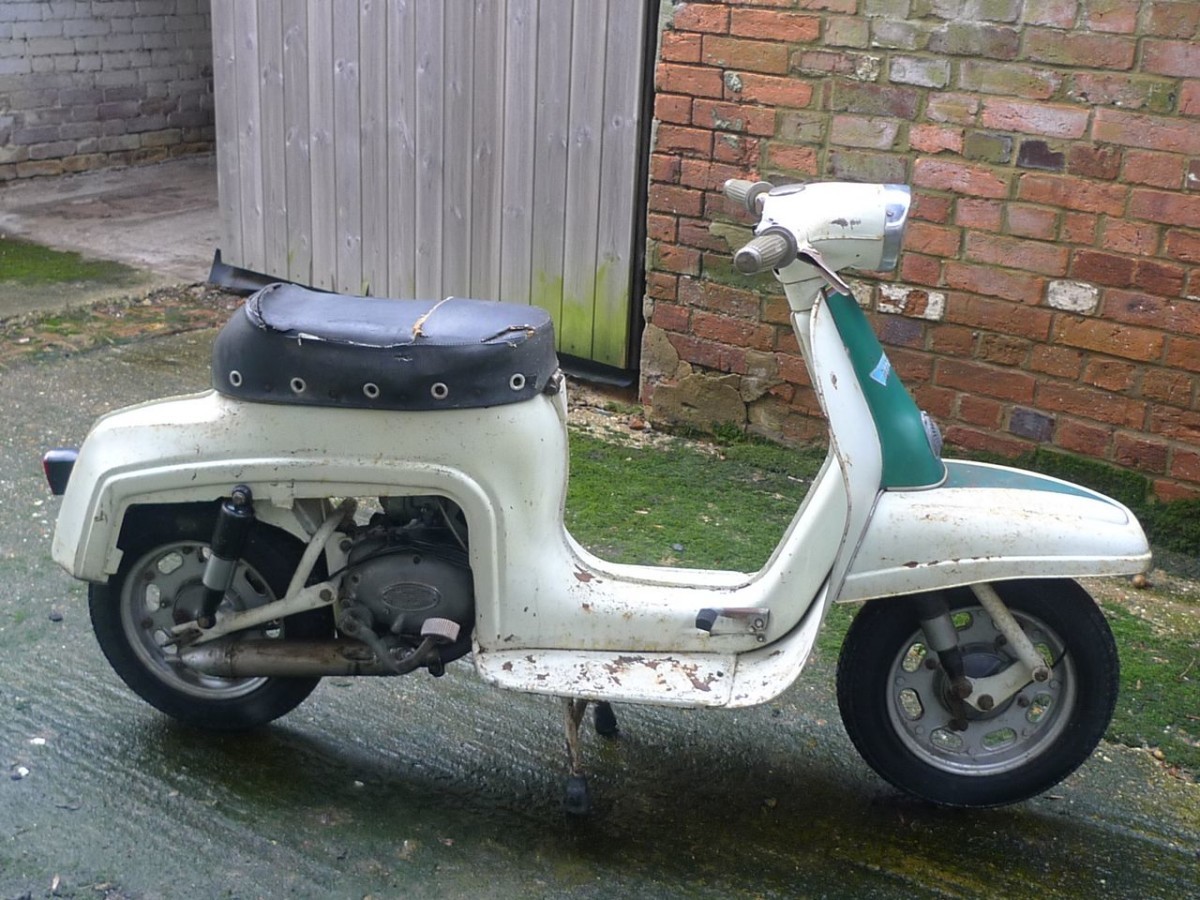


 Luigi from Italy sent me a picture of his scooter, this beautiful Iso – known officially in it’s native Italy simply as the “F” – although maybe better known to British readers as the Iso Milano, (it’s South American name) or the Diva, as it was marketed under in Spain. Iso developed the F after an initial collaboration with, of all people Maserati… I wrote about the only known surviving scooter from this collaboration


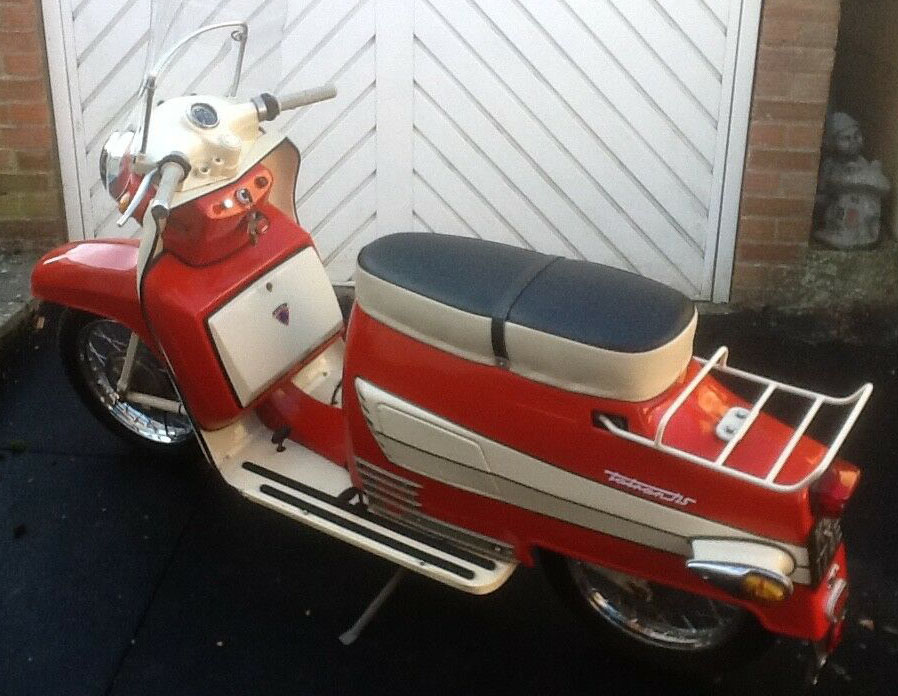
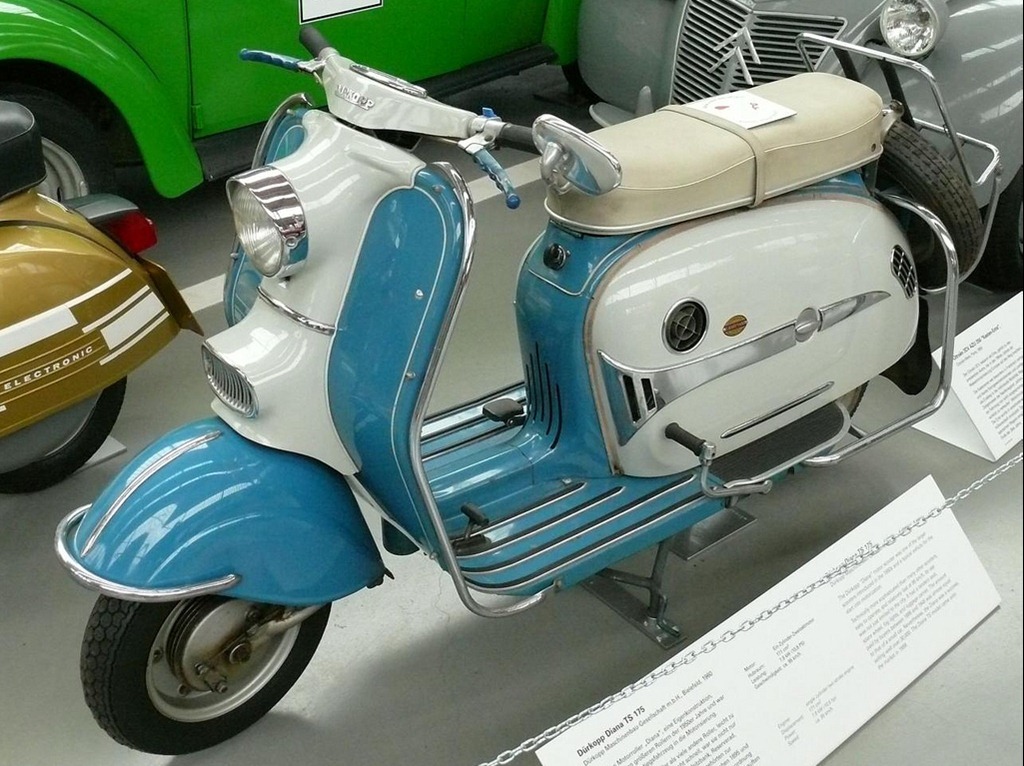 If you fancy a bit of a rest job on a German scooter with Italian(ish) styling,
 lambrettista.net